Couple milestones matter
Expect the 100th day, not just the first year, to be treated as a real date on the calendar. Showing up prepared for it signals that you understand the relationship on her terms.
East Asia · South Korea
If you have tried KoreanCupid or other dating apps for Korean singles and want more than a swipe queue, MatchAsian takes a different approach. Every Korean woman here passes a government ID check, a live selfie check and a live video call before her profile goes public, so browsing Korean singles near me starts from trust instead of guesswork.
South Korea's dating scene runs on a visible, celebratory idea of coupledom that most Western men have never encountered outside a K-drama. Matching outfits - the same shirt, the same sneakers, sometimes even the same phone case - are not a costume for a special occasion. They are an everyday declaration that two people belong to each other, worn on ordinary dates to coffee shops and on ordinary walks through the city.
That visibility extends to how relationships are measured. Anniversaries are not counted only in years. Korean couples mark 100 days, 200 days and 300 days together as genuine milestones, each one an occasion for a card, a small gift or a dinner out. The 100th day, known as baegil, carries particular weight, often treated with the same seriousness many Western couples reserve for a first wedding anniversary.
Sogaeting - blind dates arranged by mutual friends - remains the most common way Korean singles meet offline, which is part of why a platform with real identity verification resonates so strongly here: it recreates that same sense of a trusted introduction, just across borders. Men exploring Japanese dating or Chinese dating on MatchAsian will notice similar threads of family involvement and measured pacing, though Korea's couple culture is distinctly its own.
Expect the 100th day, not just the first year, to be treated as a real date on the calendar. Showing up prepared for it signals that you understand the relationship on her terms.
Coordinated outfits and thoughtful small gifts are part of how Korean couples signal commitment publicly. A little effort in how you present yourself goes further here than it might elsewhere.
Even in a fast-modernizing dating culture, most Korean women want a partner their family can eventually welcome. Consistency and honesty read as reassuring, not old-fashioned.
Cultural context
The “some” (써) stage is the ambiguous period after mutual interest is obvious but before either person has confirmed the relationship out loud. It is not a stall tactic - it is evaluation, and it rewards patience, consistency and eventually a direct, unambiguous confirmation rather than assumption.
For a Western man used to defining a relationship within the first few dates, "some" can feel frustratingly vague. In practice, it is closer to a trial period both people quietly agree to, without saying so out loud. You are texting daily, you might be going on dates, but no one has said the words that make it official. Rushing this stage, or demanding clarity too early, often reads as impatience rather than confidence.
The better approach is steady, low-drama consistency: reply promptly, follow through on plans, and let the relationship's tone build gradually. When "some" is ready to end, Korean women generally expect the man to say so plainly rather than let the relationship drift into assumption. That same directness carries into what happens next - the baegil, or 100-day anniversary, which functions as an early proof point that both people are serious.
Marked with matching outfits, matching rings and a full dinner, baegil is treated with the same seriousness many Western couples reserve for a first year together.
By the time a couple reaches one year, "some" is long settled - the relationship has typically already been introduced to close friends and, often, to family.
South Korea's National Statistical Office reported in 2025 that more than 76% of Korean women aged 25 to 34 hold a bachelor's degree. That level of education shapes what most members on MatchAsian are looking for in conversation and in a partner: intellectually engaged exchanges rather than surface-level small talk, and a man who is visibly building something of his own, whether that is a career, a business or a life plan he can speak about clearly.
It also means the stereotype of a passive, purely traditional match rarely holds up in practice. Many Korean women balance demanding careers with the cultural expectations described above, and they expect a partner who respects both sides of that balance rather than one or the other.
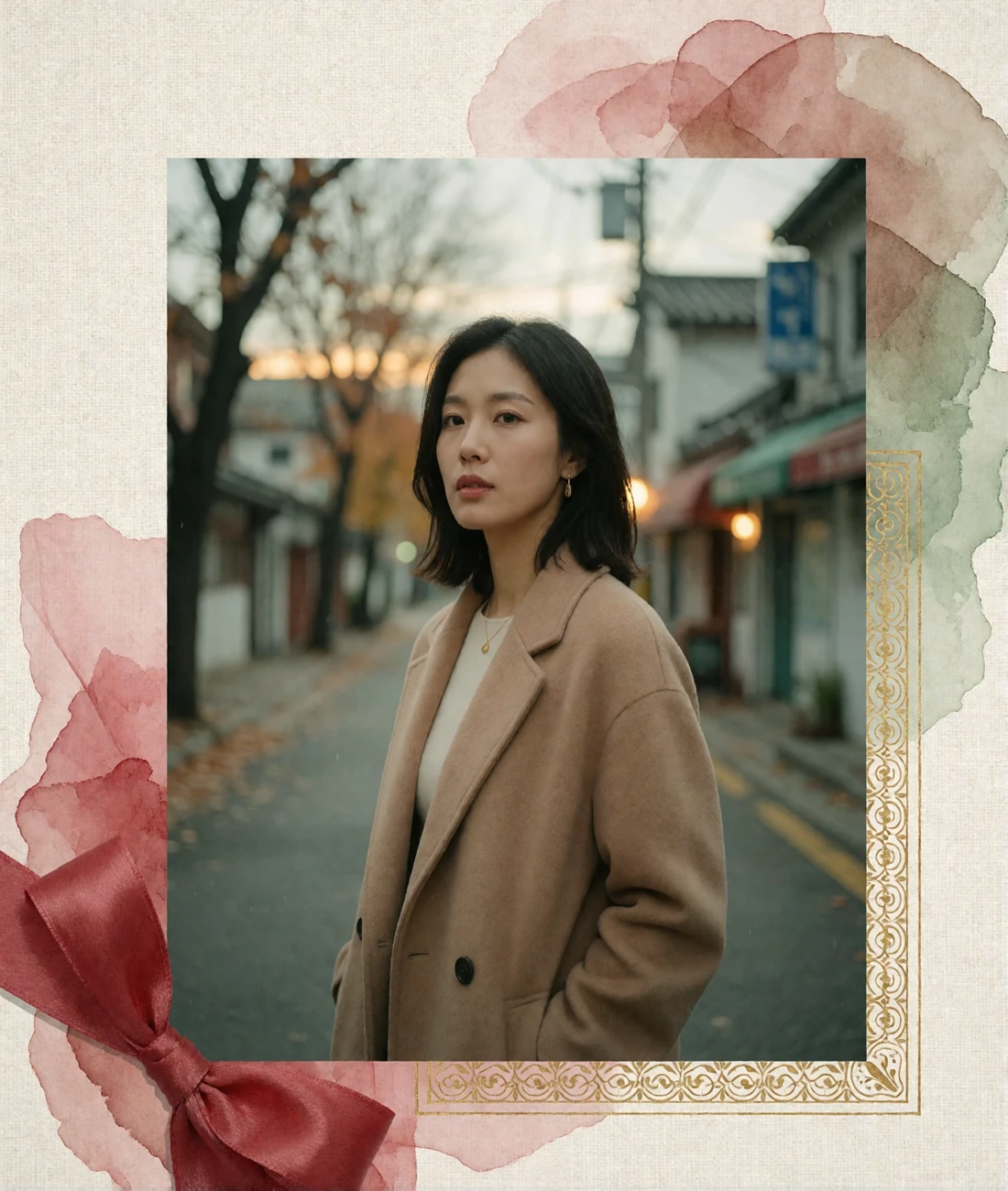
Member Spotlight
This anonymized profile reflects the kind of member who joins MatchAsian from Seoul: early thirties, working in a demanding professional field, and tired of casual matches that never go anywhere. She completed the same three-step verification every woman on the platform completes - a government ID check, a live selfie check and a live video call - before her profile became visible to other members.
She lists honesty, consistency and cultural curiosity as what she is looking for in a partner, along with someone comfortable navigating the "some" stage without rushing it. Profiles like hers are why men researching Korean singles near me on MatchAsian tend to find fewer, but more promising, conversations.
Every woman on the platform completes a government ID check, a mandatory live selfie check and a live video call before her profile becomes visible, backed by ongoing AI photo detection and human moderation. The cards below are illustrative examples of that standard.
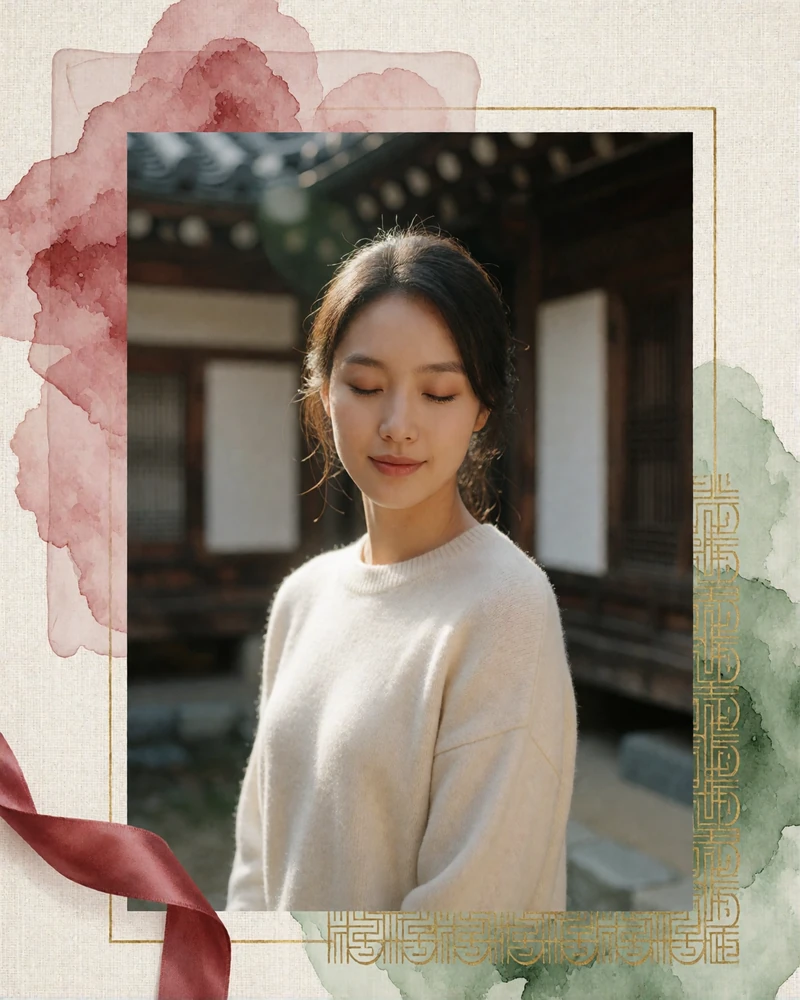
Seoul
ID & video verified
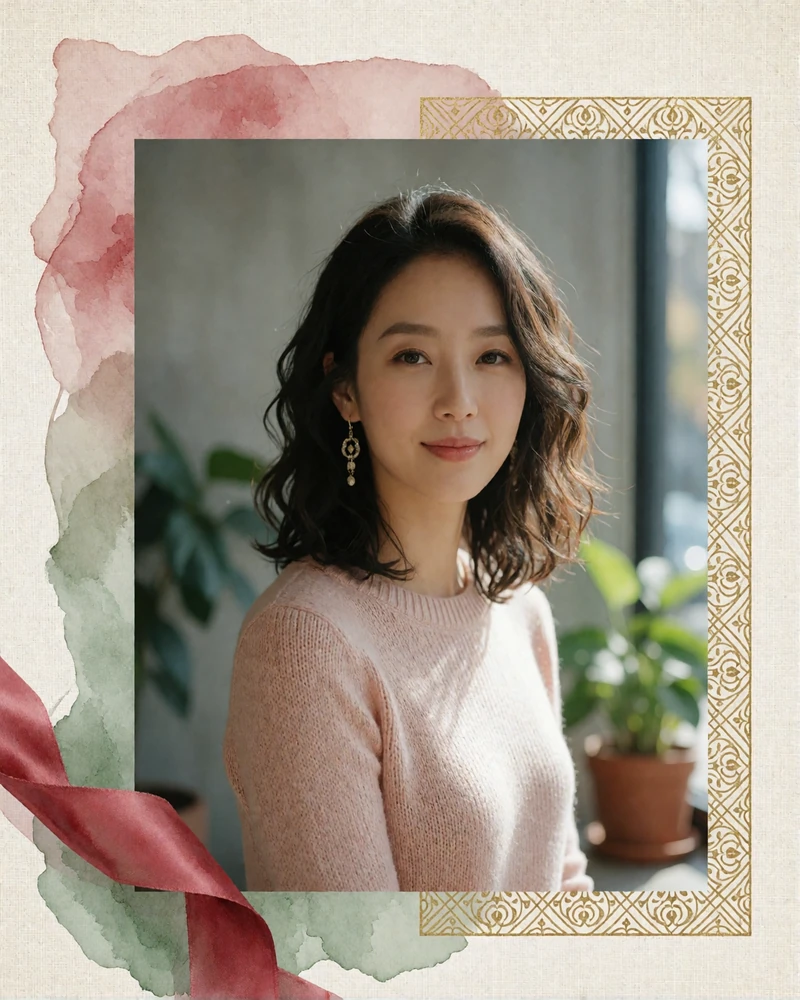
Busan
ID & video verified
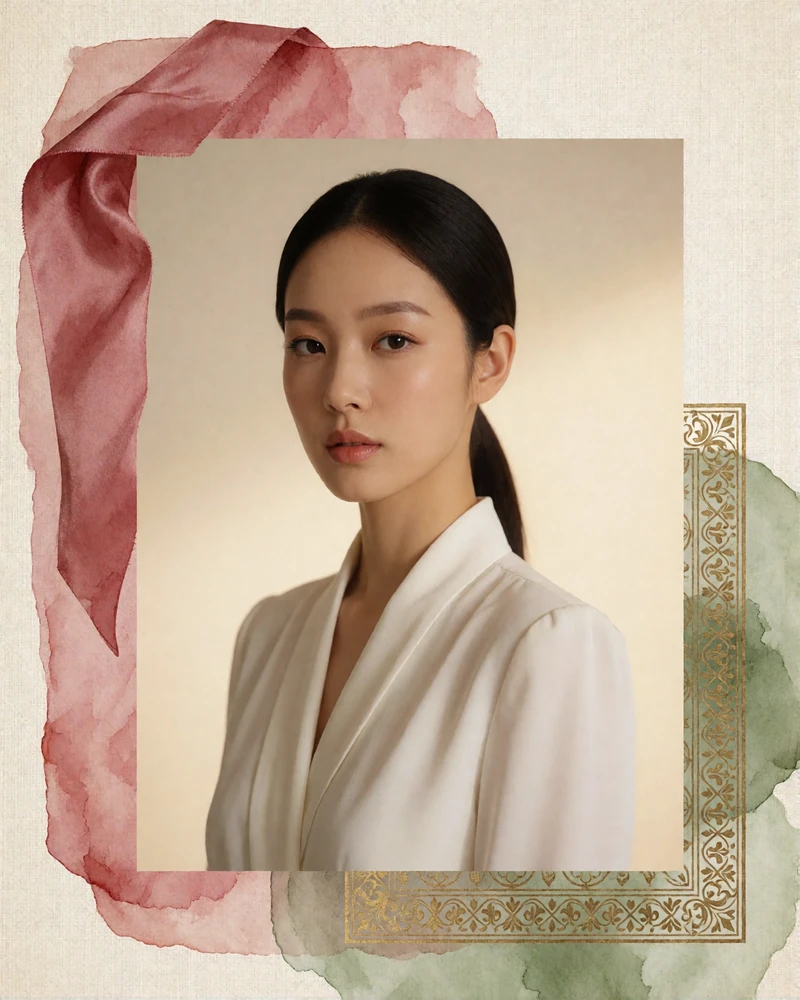
Incheon
ID & video verified
Daegu
ID & video verified
These cards are editorial examples of the verification standard applied to every profile on the platform. Browsing real profiles is free - no card details are requested at registration.
Feature by feature
KoreanCupid built its reputation on connecting Western men with Korean women, and its membership has grown quickly on the back of wider K-pop and K-drama interest. The difference that matters most in practice is how deeply each platform checks who is actually behind a profile.
| Feature | MatchAsian | KoreanCupid |
|---|---|---|
| Verified profiles | Included | Not included |
| Identity check depth | Government ID + live selfie + live video call | ID verification only, no mandatory live video |
| Korean cultural focus | Included | Included |
| Privacy controls | Included | Not included |
| Secure messaging | Included | Not included |
KoreanCupid's membership base, above 500,000 and growing steadily, carries an independent rating around 3.8 out of 5 - a solid but smaller pool than MatchAsian's 120,000+ verified members across all 33 Asian countries on the platform. The real gap is verification depth: KoreanCupid checks identity documents, while MatchAsian requires both a live selfie check and a live video call on every profile before it becomes visible, which is the strongest safeguard against fake accounts we have found in this category.
Documented journeys
More than 3,800 couples have formed on MatchAsian since 2020. The two stories below reflect the kind of connection members describe when the "some" stage finally settles into something real.
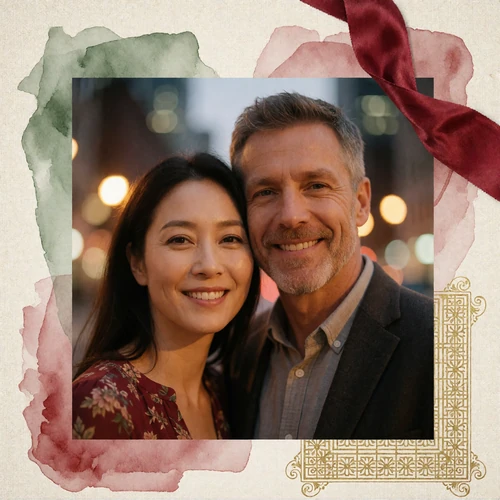
We spent almost two months in "some" before either of us said anything out loud. Once we did, everything moved fast - we celebrated our 100th day with matching scarves, and it felt completely natural.

After a divorce, Peter wanted a partner who valued family life as much as he did. Verified video calls with Ha-eun gave him the confidence to book a flight to Seoul - one of more than 1,200 documented member journeys on the platform.
Peter and Ha-eun - documented member story
Straight answers
The questions men ask before they try a Korean dating app for the first time.
Dating app adoption among Korean singles has grown quickly: research cited by the Korea Herald in 2025 found that 67% of Korean singles under 35 now use a dating app at some point in their search for a partner, alongside the long-standing tradition of sogaeting, or friend-arranged blind dates. MatchAsian brings that same app-based approach to international matching, pairing it with mandatory verification so Western men can meet Korean women with confidence.
KoreanCupid is a real, established platform connecting Western men with Korean women, part of the Cupid Media network, with a membership base above 500,000 and growing steadily as K-pop and K-drama interest brings more international attention to Korean dating. Independent reviewers have rated it around 3.8 out of 5. It verifies identity but does not require a live video check on every profile the way MatchAsian does.
Cupid is the Roman god of romantic love and desire, and the name has been widely adopted by Western dating brands, including KoreanCupid, to signal a matchmaking focus rather than casual swiping. It is not a native Korean term; Korean speakers typically render it phonetically as 큐피드 (kyupideu) when referring to the mythological figure or the dating brand by name.
The "some" (썸) stage is the ambiguous period in Korean dating when mutual interest is obvious but neither person has confirmed the relationship out loud. It is not rejection - it is evaluation. Patience and steady, consistent attention during this stage matter more than grand gestures, and most Korean women expect a direct, clear confirmation once "some" is ready to end.
Yes. The 100-day anniversary, called baegil (백일), is treated with the same weight many Western couples reserve for a first year together - often marked with matching outfits, matching rings and a full dinner. Korean women on MatchAsian generally expect a partner who understands why these early milestone dates matter, not just the yearly ones.
Very. South Korea's National Statistical Office reported in 2025 that more than 76% of Korean women aged 25 to 34 hold a bachelor's degree. In practice, that means most members expect conversation that goes beyond small talk and a partner who takes his own career and ambitions seriously, too.
Curious how Korean dating culture compares to its neighbors? Our Seoul vs Tokyo vs Hong Kong guide breaks down the differences, and members interested in the wider region can also explore North Korean dating on MatchAsian.
Create your MatchAsian profile in under two minutes, browse verified Korean women by city and interests, and move from a first message to a video call with confidence.
Free registration · Transparent plans with no hidden fees · ID and video verified members